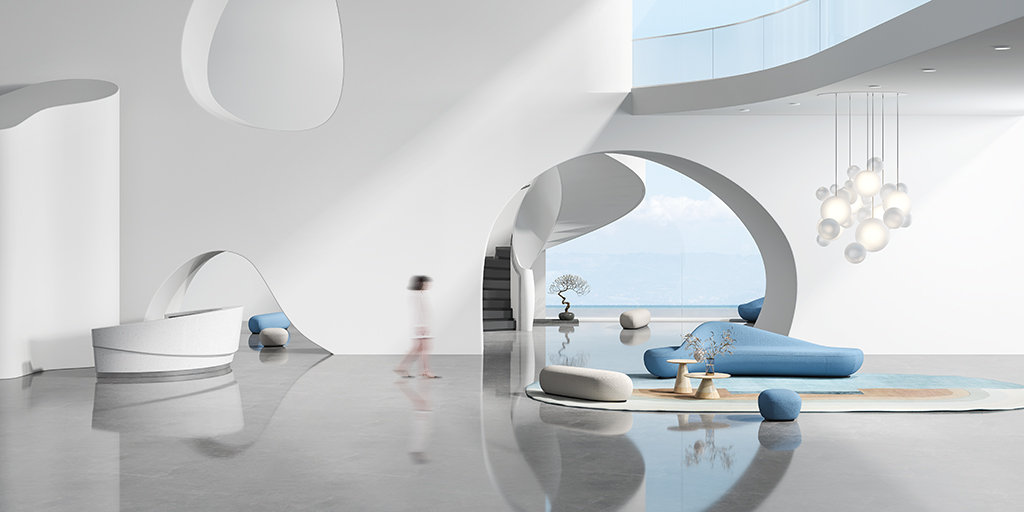
In 2023, the evolution of office spaces continues to reshape the way we work, collaborate, and thrive. From flexible designs to technology integration, the modern workplace is undergoing a dynamic transformation. In this blog post, we’ll delve into the top five trends that are set to dominate office spaces this year, offering insights into how businesses can adapt and create environments that foster innovation, well-being, and productivity.
Hybrid Work Models:
The rise of hybrid work models has been one of the most significant shifts in recent times. As businesses adapt to the changing landscape, remote work, and flexible in-office days have become the norm. Companies are redesigning their spaces to accommodate the diverse needs of employees, with collaborative areas, huddle spaces, and well-equipped home office setups being crucial components.
Biophilic Design:
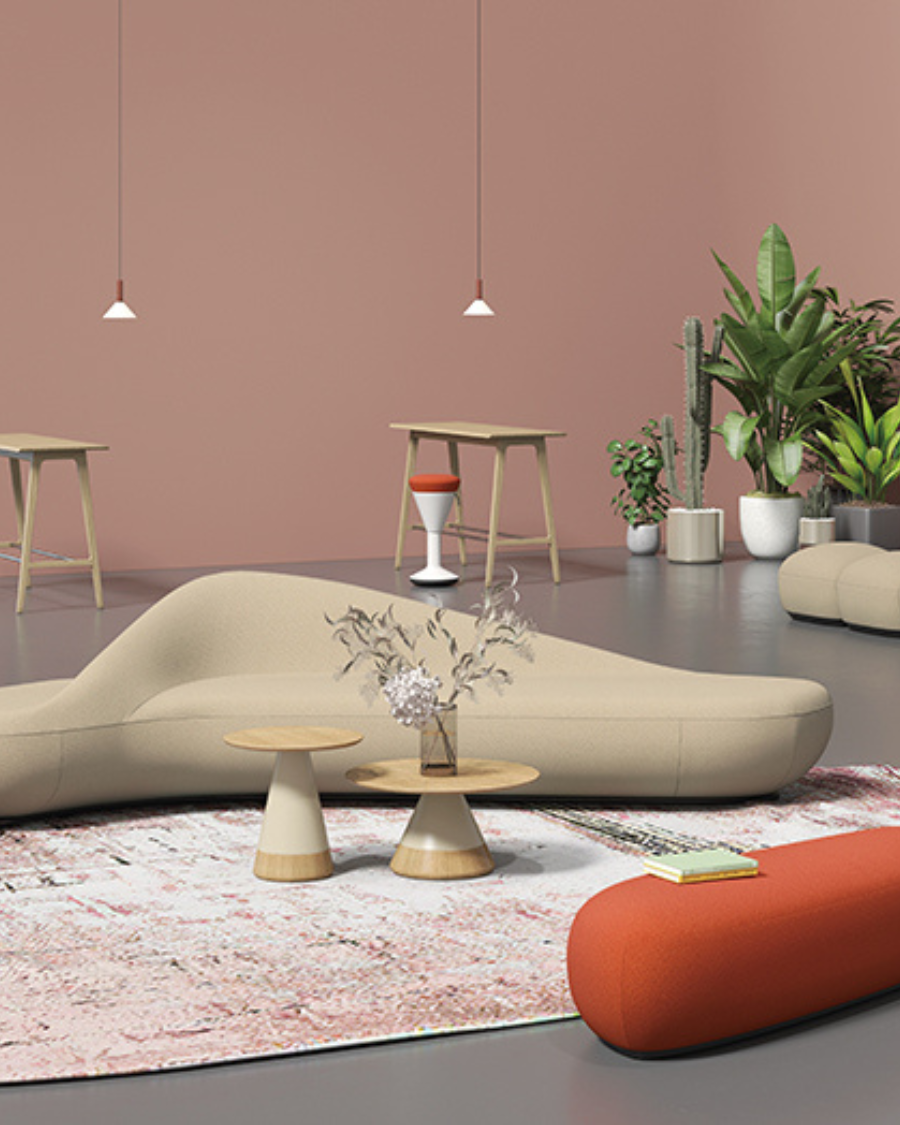
Connecting with nature within the office is gaining traction. Biophilic design incorporates natural elements such as plants, natural light, and even outdoor-inspired aesthetics. This trend not only enhances the visual appeal of the workspace but also promotes well-being, reduces stress, and boosts creativity among employees.
Technology Integration: The fusion of technology and office spaces is unstoppable. Smart office solutions, integrated communication tools, and IoT devices are optimising workflow and enhancing employee experience. Offices are becoming more adaptable with advanced audio-visual systems, touchless controls, and personalised spaces that cater to individual preferences.
Flexibility and Modularity:
Flexibility remains paramount as office layouts evolve. Modular furniture and adaptable spaces that can be easily reconfigured to suit various activities are gaining popularity. Whether it’s a co-working arrangement, brainstorming session, or quiet focus time, versatile furniture and layouts are essential for catering to a range of tasks and work styles.
Well-being and Sustainability:
Employee well-being and sustainable practices are becoming central to office design. Ergonomic furniture, breakout areas, and wellness rooms are being integrated to promote physical and mental health. Additionally, sustainable materials, energy-efficient lighting, and waste reduction initiatives are reflecting a growing commitment to environmental responsibility.
As we navigate the ever-evolving landscape of workspaces in 2023, these trends highlight the need for adaptability, collaboration, and employee well-being. Businesses that embrace these shifts will not only create environments conducive to productivity but will also attract and retain top talent. By blending technology, sustainability, and innovative designs, office spaces are becoming dynamic hubs that facilitate growth and innovation in the modern era.
Learn about our processes
 Screen Solutions Victoria